For travelers with Armenian roots, the first trip is rarely just a holiday. Here is how to prepare for a return that is meaningful rather than overwhelming.
Many people of Armenian descent grow up with Armenia as an idea before it is ever a place. It lives in a grandmother’s recipes, in a surname ending in -ian or -yan, in songs half-remembered at weddings, in photographs of villages that may no longer exist. So when the time finally comes to travel, the question is not only what should I see? but what am I looking for?
At Adeona Travel Atelier, two of our founders were raised in the diaspora. Their first journeys to Armenia shaped the way we design every heritage trip today. This guide gathers what we have learned from them and from the many families we have welcomed since.
Why a heritage journey feels different
A diaspora return carries a weight that ordinary sightseeing does not. Travelers often describe a mix of emotions they did not expect: joy at hearing Armenian spoken everywhere, grief when standing at the Genocide Memorial, surprise at how familiar a stranger’s kitchen can feel, and sometimes a sense of being a guest in a place that is also, somehow, home.
None of this is a problem to be solved. It is the point of the journey. The best heritage trips leave room for it — fewer sites, longer pauses, and time with people rather than only with monuments.
Step 1: Gather your family’s story before you travel
The more you know before you arrive, the more Armenia can answer back. Start with the people closest to you.
- Talk to the elders. Record conversations with parents, grandparents, aunts and uncles. Ask for village names, church names, family nicknames, occupations and the routes your family took when they left.
- Collect documents. Old passports, ship manifests, church certificates, letters and photo captions often hold place names that unlock the rest of the story.
- Map the regions. Many diaspora families trace their roots to historic Western Armenia, in today’s Türkiye; others come from Eastern Armenia, Javakhk, Artsakh, Iran, Lebanon, Syria or Russia. Knowing which region your family came from helps decide what Armenia can show you directly, and what it can show you by echo — a dialect, a dish, a style of carpet or a church dedicated to the same saint.
- Use community resources. Online projects such as Houshamadyan document the towns and villages of Ottoman-era Armenians, and the National Archives of Armenia can sometimes help with records for families from the territory of today’s Republic. Expect partial answers; even fragments are precious.
When you share this background with us, we can build visits around it — a church named for your family’s patron saint, a village founded by refugees from your ancestral region, or a meeting with a historian who knows its story.
Step 2: Choose places that speak to your story
Every family’s route will differ, but a few places resonate with almost every diaspora traveler.
Tsitsernakaberd, the Armenian Genocide Memorial and Museum. For many, this is the emotional center of the trip. We recommend visiting early in the journey, with unhurried time afterward, rather than squeezing it between other sights.
Etchmiadzin. The mother cathedral of the Armenian Apostolic Church, in a country that adopted Christianity as its state religion in 301 AD. Families from every corner of the diaspora light candles here — often for relatives who never made the journey.
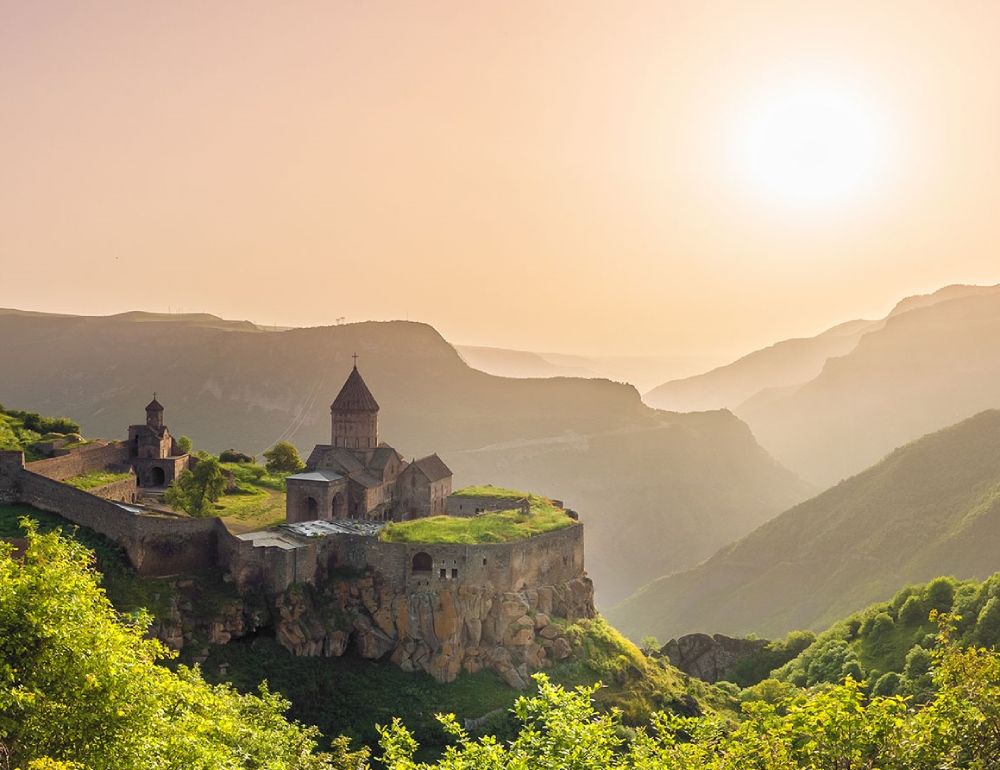
Khor Virap and Mount Ararat. The mountain on every Armenian calendar and coffee tin, seen across the border from the monastery where Christianity in Armenia began. Standing here at dawn is a moment many travelers describe as a homecoming.
The Matenadaran. The repository of ancient manuscripts, where you can see the alphabet your family may have taught you, written by hand more than a thousand years ago.
Villages and family tables. The most memorable moments are rarely at monuments. Baking lavash in a tonir with a village family, sharing a long dinner, or hearing a grandmother sing the same lullaby yours did — these are the experiences that make Armenia personal.
Our journey Roads of Silk and Story is designed with many of these places in mind and can be adapted to include your ancestral region.
Step 3: Shape the pace around emotion, not distance
Armenia is compact: most destinations are within a few hours’ drive of Yerevan. The temptation is to see everything. We recommend the opposite for a first heritage trip.
- Plan seven to ten days. It gives you time for both the essential places and the unplanned conversations that matter most.
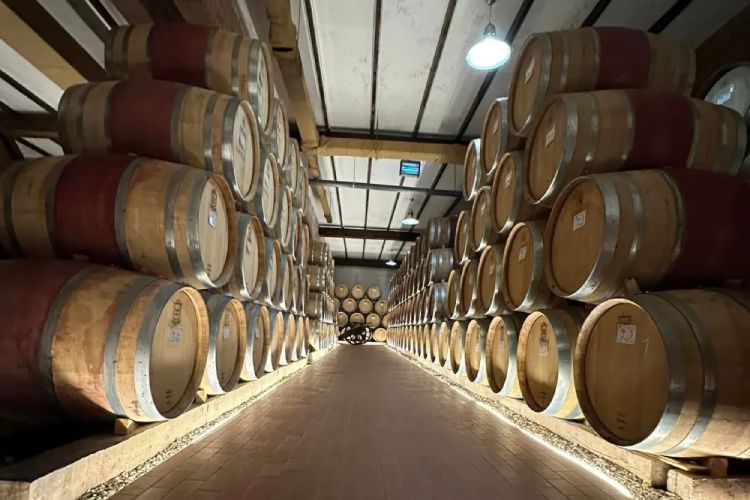
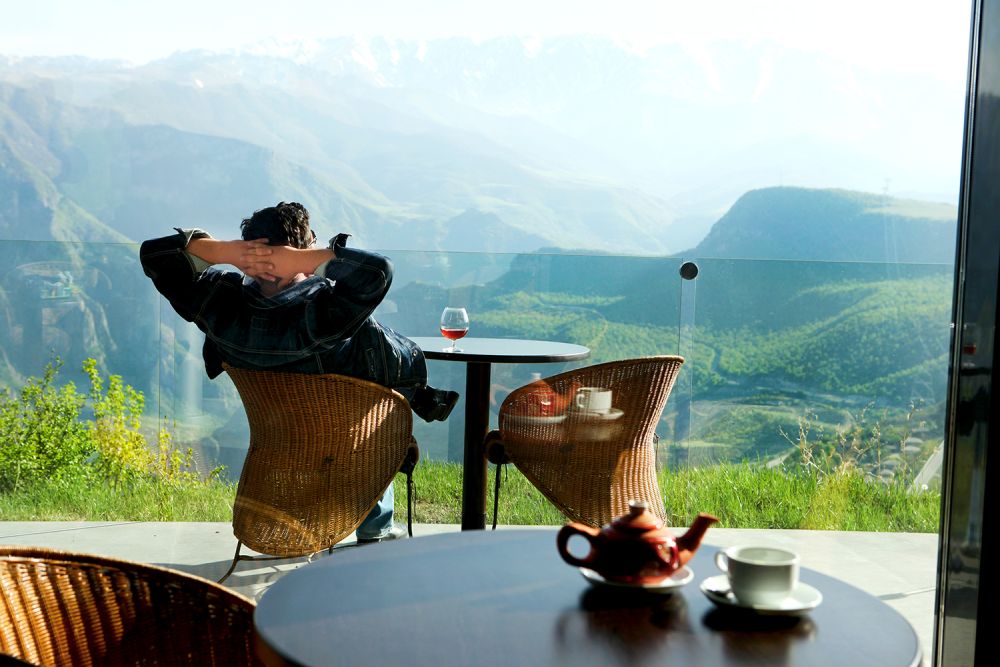
- Alternate heavy and light days. Follow the memorial visit with a day in nature or at a winery. Follow a long drive with a slow morning.
- Leave one day open. Travelers often discover a relative, a namesake village or a place they want to see again. An open day lets the journey respond.
Step 4: Bring the family — or bring them home with you
Heritage journeys are often multi-generational: grandparents returning after decades, parents bringing children who have only heard stories. If you are traveling as a family, consider:
- Pairing older travelers with private transport and shorter walks
- Hands-on experiences for children — bread baking, carpet weaving, cable cars
- A private photographer for a day, so no one has to stay behind the camera
- A family dinner where each generation shares what Armenia means to them
If your family cannot travel with you, bring them in other ways: a candle lit in their name, a handful of soil, a recording of a church choir, or a stamped page in our Journey Passport.
Step 5: Think beyond the visit
For many diaspora travelers, the first trip opens a door rather than closing a chapter. Some return to volunteer, study the language, invest, or simply visit every year. Programs such as Birthright Armenia support younger members of the diaspora who want to live and volunteer in the country for longer periods.
Whatever you choose, the relationships you build — with a host family, a guide, a winemaker or a priest — are the threads that bring you back.
What to expect on the ground
- Language: Armenian is the national language; Eastern Armenian is spoken in the Republic, while many diaspora families speak Western Armenian. You will be understood, and locals are delighted when visitors try. Russian and English are widely spoken in hospitality.
- Safety: Armenia is generally considered a safe and welcoming destination, including for families and solo travelers.
- Seasons: Late spring and early autumn are ideal. April 24, the Day of Remembrance, is a profound but very busy time to visit; plan carefully if you wish to be present.
- Getting there: Most travelers fly into Zvartnots International Airport in Yerevan.
How Adeona designs heritage journeys
We do not offer a standard “roots tour.” Every heritage journey begins with a conversation about your family: where they came from, what you already know, and what you hope to feel. From there, we design a private itinerary that balances the essential places with personal ones, and we pair you with guides who understand both the history and the emotion of return.
Adeona is named after the Roman goddess of safe returns. For travelers with Armenian roots, that name carries a special meaning.
Ready to begin?
Tell us about your family’s story and we will shape a journey around it, or explore our Signature Journeys for inspiration.
Frequently asked questions
How long should a first diaspora trip to Armenia be?
Seven to ten days allows time for the essential sites, a few personal visits and rest between emotional moments.
Can you help me find my ancestral village?
We can help research the regions and communities connected to your family and include related places, archives or historians in your journey. Many ancestral villages lie in historic Western Armenia, outside today’s Republic; in those cases we build connections through communities, churches and traditions that share their heritage.
Do I need to speak Armenian?
No. Your guide will translate, and Russian and English are widely spoken in hospitality. Even a few words of Armenian are warmly received.
Is it appropriate to bring children?
Yes. Many of our heritage journeys are multi-generational, and we adapt pace and activities for younger travelers.