Six thousand years of winemaking, one red-rock canyon, and a new generation of growers bringing ancient grapes back to the table.
There are wine regions you visit for the labels. And there are wine regions you visit to understand why people started making wine at all. Vayots Dzor, the canyon province in southern Armenia that is home to the village of Areni, belongs firmly to the second kind.
This is where archaeologists uncovered the oldest known winery in the world, where an indigenous grape has been grown on the same slopes for millennia, and where — after the long pause of the Soviet decades — small family estates are once again making wines that taste of the place. It is also a region best experienced slowly.
A 6,000-year-old beginning
In 2007, archaeologists excavating a cave near the village of Areni found something remarkable: a clay-lined wine press, fermentation jars, grape seeds and drinking vessels dating back roughly 6,000 years. The site, known as Areni-1 or the “Birds’ Cave,” is widely considered the earliest known winemaking facility discovered to date.
Standing inside the cave today, it is easy to imagine the scene: grapes trodden by foot, juice running into buried jars, wine shared in a space that seems to have been used for ritual as well as everyday life. Visiting it before a tasting changes how every glass afterward feels.
Areni: the grape and the village
The village gives its name to Armenia’s best-known red grape, Areni Noir. It is a thick-skinned, late-ripening variety that thrives at altitude, often on its own roots, in the dry, sunny canyons of Vayots Dzor. In the glass, it tends toward bright red fruit, fresh acidity, spice and a gentle structure — wines that are elegant rather than heavy, and especially good with food.
Armenia’s white varieties are equally worth discovering. Look for Voskehat (literally “golden berry”), often called the queen of Armenian white grapes, as well as Kangun and other local varieties revived by curious winemakers.
The new Armenian wine story
For much of the 20th century, Armenian vineyards were devoted largely to brandy production. Since independence, and especially in the last fifteen years, a wave of boutique wineries has transformed the landscape. Some are run by families returning to their grandparents’ vineyards; others by members of the diaspora who came home to build something; others by young winemakers experimenting with clay amphorae (known locally as karas), high-altitude plots and forgotten grapes.
What unites the best of them is a sense of place. Ask a winemaker in Areni about their vines and you are likely to hear about a grandfather, a village, a particular slope — not just a vintage.
How to experience Areni slowly
You can drive from Yerevan to Areni in under two hours, taste a few wines and drive back the same day. We recommend you don’t.
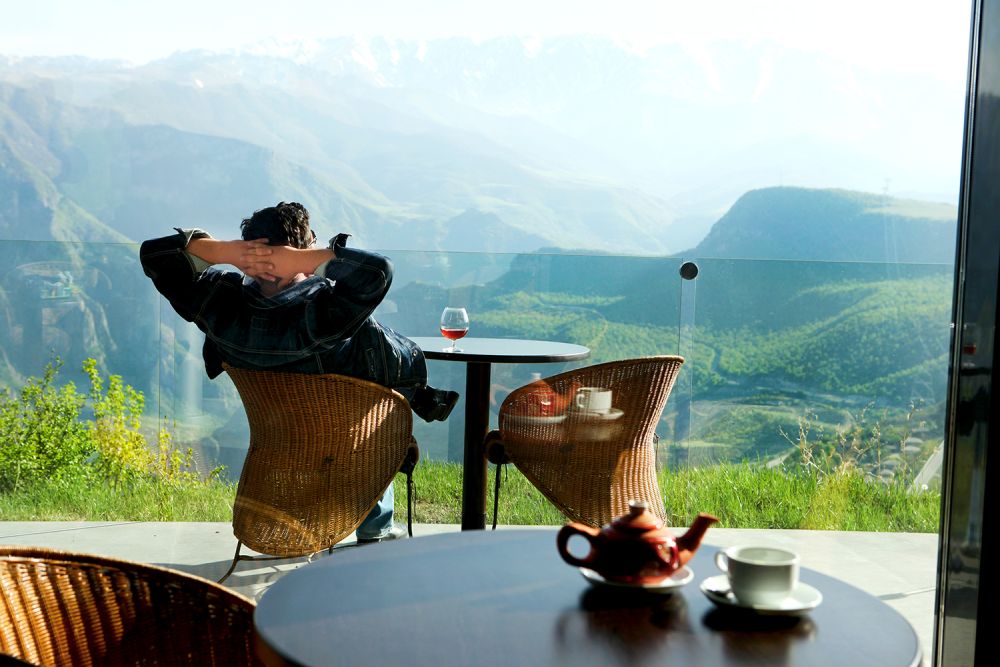
Stay the night. The Yeghegnadzor area has comfortable guesthouses and small hotels. Staying in the region turns a tasting into a conversation, and lets you see the canyon at both dawn and dusk.
Begin with the cave. Visit Areni-1 before any tasting. It sets the story.
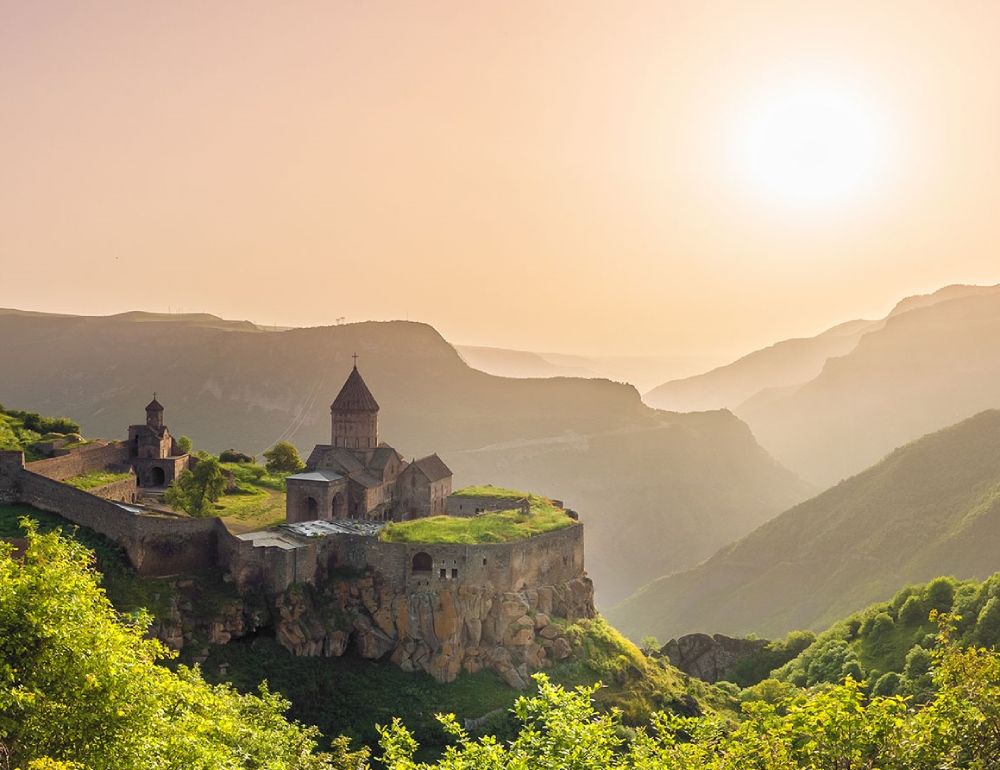
Go to Noravank at golden hour. The 13th-century monastery sits in a narrow canyon of red cliffs just a few minutes from Areni. In the late-afternoon light, the stone seems to glow.
Eat where you taste. Many estates serve long lunches built around local ingredients: herbs, cheeses, grilled vegetables, lamb, tonir-baked lavash and fruit from the valley. Areni Noir’s freshness makes it a natural partner.
Meet the people, not only the bottles. The most memorable visits are often with small producers who pour their own wine. A good host will arrange introductions that are not on any map.
When to visit Armenia’s wine country
- Spring (April–May): Green valleys, wildflowers and pleasant temperatures. Ideal for walking among the vines.
- Summer (June–August): Hot in the canyon, cooler in the evenings. Long dinners outdoors and fresh fruit everywhere.
- Harvest (September–October): The most rewarding season. Grapes come in, villages celebrate and the Areni Wine Festival is traditionally held in early autumn.
- Winter: Quiet and atmospheric, with cellar visits and hearty food, but some roads and small producers have limited access.
Beyond Areni
Vayots Dzor is the heart of Armenian wine, but not the only place to taste:
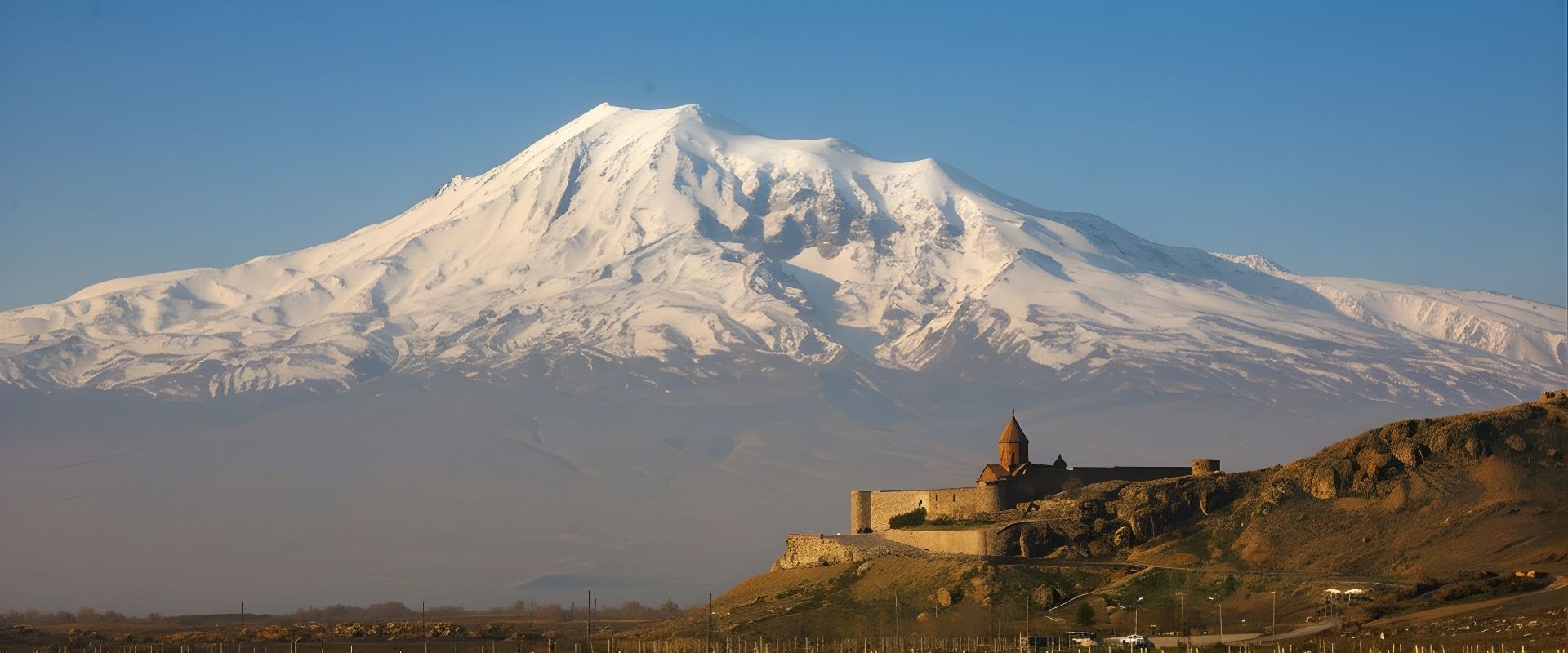
- The Ararat valley, beneath the mountain itself, for orchards, brandy heritage and some of the oldest vineyard land in the country.
- The slopes of Mount Aragats, where new-wave winemakers plant at altitude.
- Tavush in the north-east, a green, forested region with its own small wine scene.
Armenian brandy, aged in the cellars of Yerevan for well over a century, is also part of the story — and a tasting there is a fine way to begin or end a wine journey.
Wine and meaning
Why does any of this matter beyond what is in the glass? Because in Armenia, wine has always been a carrier of identity. It appears in ancient ritual, in medieval manuscripts, in the decoration of churches and in every family celebration. To taste Areni Noir in the canyon where people first pressed grapes is to take part in one of the longest continuous conversations in human culture.
That is the kind of luxury we believe in: not rare bottles for their own sake, but experiences that connect you to a place and its people.
Explore Armenian wine with Adeona
Our private journey Savor Armenia spends unhurried time in Areni and Vayots Dzor, alongside family kitchens, cheesemakers and lavash baked in the tonir. Wine country also features in Noah’s Legacy, which follows the story of the first vineyards after the Flood.
Prefer something entirely your own? Design a private journey around the wines and regions you want to discover.
Frequently asked questions
Is Armenia really the oldest wine country in the world?
Armenia is home to the oldest known winery discovered so far — the Areni-1 cave, about 6,000 years old. Evidence of even earlier winemaking has been found in neighboring Georgia, and together the South Caucasus is considered one of the cradles of wine.
What is Armenia’s signature grape?
Areni Noir for red wines and Voskehat for whites, both indigenous to Armenia.
How far is Areni from Yerevan?
About 110 kilometers, or under two hours by car.
What is the best month for a wine trip to Armenia?
September and October, during the grape harvest.