Savor Armenia: Where Every Table Tells a Story
7 Days of Slow Travel | Ancient Wine Country, Family Kitchens & Living Food Traditions
Armenia feeds you the way a grandmother does — generously, with stories. This is a country where wine has been made for more than six thousand years, where lavash is still slapped against the walls of a clay tonir, and where a meal with strangers ends with you being treated like family.
Savor Armenia is a slow journey for travelers who understand that taste is memory. Each day moves at the pace of the table: markets in the morning, a kitchen or vineyard at midday, and long dinners that stretch into conversation. Along the way you meet the winemakers, bakers, cheesemakers and home cooks who keep Armenia’s food culture alive — and you return home not with recipes alone, but with the people behind them.
Pace: slow — no more than two main stops a day.
7 days
Private or small group (max 20)
English, Russian, Armenian, and more on request
Highlights
- Taste in the world’s oldest known winery landscape — Areni and Vayots Dzor
- Bake lavash in a traditional tonir with a village family
- Private tastings with boutique winemakers reviving indigenous grapes
- Forage and cook in the forested hills of Dilijan
- A farewell wine-pairing dinner designed around Armenia’s ancient ingredients
Day 1 - Arrive in a City That Eats Together
Yerevan · Market Walk · Welcome Dinner
Settle into Yerevan, Armenia’s pink-stone capital, and begin where every Armenian cook begins: at the market.
- Arrival & private transfer: Meet your host at Zvartnots Airport and settle into your boutique hotel.
- Covered market walk: Taste dried fruits, sujukh (walnut-and-grape-must “Armenian Snickers”), cured meats and mountain herbs with a food guide who knows every vendor.
- Welcome dinner: An intimate tasting menu introducing the classics — dolma, khorovats, herbed cheeses and Armenian wines.
- Overnight: Yerevan


Day 2 - The Ararat Valley: Apricots, Brandy and First Light
Khor Virap · Orchards · Brandy Heritage
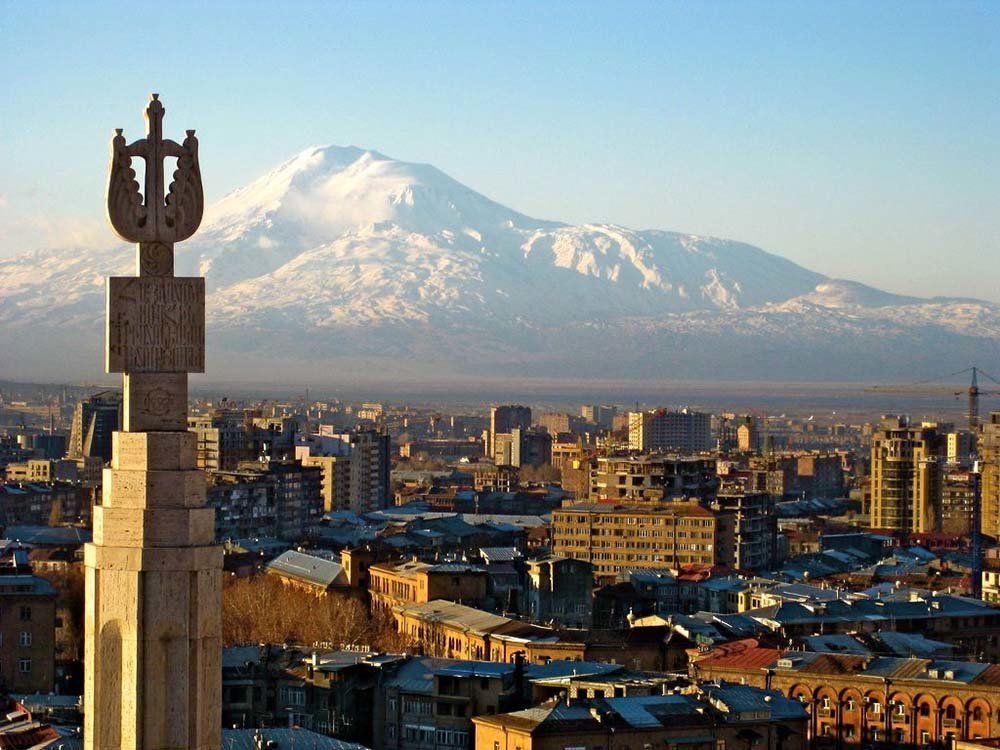
Travel into the fertile plain beneath Mount Ararat, where apricots, grapes and pomegranates have been grown for millennia.
- Khor Virap at morning light: The closest view of Ararat, and the spiritual starting point of Armenian Christianity.
- Orchard visit: Walk the apricot and fruit orchards of the Ararat valley with a farming family; in season, pick and taste straight from the tree.
- Armenian brandy heritage: A guided visit and tasting exploring the century-old tradition of Armenian brandy.
- Dinner at leisure in Yerevan, with restaurant recommendations from your host.
- Overnight: Yerevan
Day 3 - Into the Cradle of Wine
Areni-1 Cave · Boutique Winery · Noravank
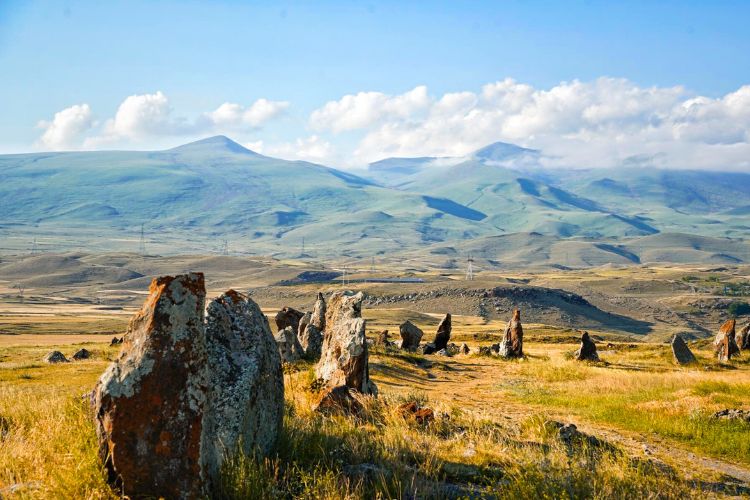
Drive south into Vayots Dzor, the red-rock canyon country where archaeologists found the world’s oldest known winery.
- Areni-1 Cave: See where 6,000-year-old wine presses and fermentation vessels were uncovered.
- Private winery lunch: A slow lunch and tasting at a boutique estate focused on the indigenous Areni grape and other native varieties.
- Noravank at golden hour: The 13th-century monastery glowing in its canyon of red cliffs.
- Overnight: Yeghegnadzor region
Day 4 - Highland Kitchens and the Silk Road
Village Cooking · Selim Pass · Lake Sevan
Cross the mountains the way merchants once did, and eat the way highland families still do.
- Village cooking session: Prepare a seasonal highland dish alongside a local host — from wild herbs to slow-cooked lamb or vegetarian tolma.
- Selim Caravanserai: Pause at the 14th-century Silk Road inn on the mountain pass.
- Lakeside lunch at Sevan: Fresh lake trout and mountain greens beside one of the world’s largest high-altitude lakes.
- Overnight: Dilijan
Day 5 - Forest Flavors of Dilijan
Foraging · Haghartsin · Gata Baking
Dilijan’s forests are known as Armenia’s Switzerland — and its pantry.
- Morning forage: Gather wild herbs, berries and mushrooms (seasonal) with a local forager.
- Haghartsin Monastery: A forest monastery whose medieval refectory is a reminder of how food and faith were shared.
- Gata masterclass: Learn to bake gata, Armenia’s beloved sweet bread, in a family kitchen.
- Overnight: Dilijan
Day 6 - Cheese, Wine and the Slopes of Aragats
Aragatsotn · Cheesemaker · New-Wave Winery
Head west to the volcanic slopes of Mount Aragats, home of Armenia’s new generation of winemakers.
- Cheesemaker visit: Taste traditional cheeses — from brined chanakh to herb-flecked mountain varieties — with a family producer.
- New-wave winery: Meet a winemaker reviving forgotten grapes at altitude, with a private tasting.
- Return to Yerevan for a free evening.
- Overnight: Yerevan
Day 7 - Bread, Stone and a Farewell Feast
Garni · Lavash in the Tonir · Geghard · Farewell Dinner
Close the journey with Armenia’s most sacred food: bread.
- Lavash in the tonir: Bake UNESCO-recognized lavash with a family in Garni, straight from the clay oven.
- Garni Temple & Geghard Monastery: A pagan sun temple and a monastery carved into living rock.
- Farewell wine-pairing dinner: A chef-led dinner pairing Armenian wines with dishes built on ancient ingredients — honey, apricots, pomegranate, wheat and herbs.
- Overnight: Yerevan
Include
- The Journey Passport: a personalized keepsake you stamp at every kitchen, cellar and table.
- Private Tastings: wine, brandy, cheese and bread with the people who make them.
- Hands-on Kitchens: lavash, gata and a highland family recipe — cooked, not just watched.
- Musical Moments: a duduk or folk song shared over dinner.
- The Ark of Armenia Gift Box: a curated box of Armenian wine, dried fruits and pantry treasures to take home.
Book This Tour
Have a question?
Looking for more info? Send a question to the tour agent to find out more.
Frequently Asked Questions
Is Savor Armenia suitable for vegetarians?
Yes. Armenian cuisine is rich in vegetables, grains, herbs and legumes; every meal can be adapted with advance notice.
When is the best season for Savor Armenia?
Late spring to autumn. September–October brings the grape harvest; June–July is apricot season.
Do I need to drink alcohol?
No. Tastings can be replaced with Armenian herbal teas, fruit juices and mineral waters.
Can the journey be extended?
Yes — it pairs well with Noah’s Legacy or a few days in Georgia.
What languages are spoken in Armenia?
Armenian is the official language. Russian and English are widely spoken, especially in hospitality.
English is common among younger people, and regardless of the language barrier, locals will always help you find your way.
What is the weather like? Is there a best season to visit?
Armenia has four distinct seasons – warm summers, snowy winters, blooming springs, and colorful autumns.
There are meaningful, enjoyable experiences in every season, from hiking and wine routes to winter activities.
What currency is used and can I pay by card?
The Armenian Dram (AMD) is the national currency.
Card payments and ATMs are widely available in cities; rural areas may require cash.
Apple Pay and Google Pay are accepted in many places.
What type of electrical plugs does Armenia use?
Armenia uses Type C (European) plugs with 220 – 240V, 50 Hz.
If your device reads 100 – 240V, only an adapter is needed.
Most hotels can provide one upon request.
How can I get mobile data and internet access?
SIM cards are easy to purchase at the airport or in Yerevan.
Plans cost around $10 – $12, often with generous or unlimited data.
Coverage is strong nationwide, even in remote nature areas.
Is the tap water safe to drink?
Yes. Armenia’s tap water is clean and fresh.
You will also find pulpulaks – traditional stone fountains – offering natural spring water throughout the country.
Is there a dress code?
Do I need vaccinations to travel to Armenia?
Can I drive in Armenia with my home-country license?
Visitors from Vienna Convention countries may use their national license.
Others will need an international driving permit.
Do I need a visa to enter Armenia?
Many nationalities can enter visa-free or obtain an e-visa easily.
We will advise you on requirements based on your passport.
How long should I stay to experience Armenia meaningfully?
Is Armenia safe for solo travelers, including women?
Is photography allowed in churches and monasteries?
What cultural etiquette should I know?
- Greet people politely.
- Keep voices low in sacred spaces.
- Ask before photographing locals.
Armenians value respect, kindness, and hospitality.
Is tipping expected?
Does Armenia cater to vegetarian or special dietary needs?
What activities are available in winter?
Can Armenia be combined with Georgia or Iran in one trip?
What is the standard of accommodation?
Can I book a private guide, historian, or archaeologist?
Absolutely. Adeona specializes in expert-led travel.
You may request specialists in culture, archaeology, wine, or craftsmanship.
How does Adeona support responsible travel?
What are the emergency contacts in Armenia?
Fire: 101
Police: 102
Ambulance: 103
Gas Emergency: 104
Crisis Center: 911
City Hotline: 105
Human Rights: 116
Airport Hotline: 187